
Japanese sunscreens have a reputation, and it’s a well-earned one. Lightweight, no white cast, genuinely lovely to wear under makeup, it’s no wonder they’ve become such a fixture of the wider Asian beauty conversation, popping up on every “best SPF” list going regardless of where in the world that list is written. But if you’ve got dry skin specifically, not every celebrated Japanese SPF is automatically going to be the right fit, because some of the most famous ones lean towards a matte, oil-control finish that’s brilliant for combination or oily skin but can leave drier skin feeling a bit tight and parched by midday.
I learned this the hard way after buying a hugely hyped Japanese sunscreen purely off the back of glowing reviews, only to find my skin feeling noticeably tighter by lunchtime than it did before I’d applied it. It wasn’t a bad sunscreen by any means, it was just formulated with a different skin type in mind, and I hadn’t thought to check before buying. So here’s my honest rundown of the ones that actually work if hydration is your priority, rather than just going off general hype alone.
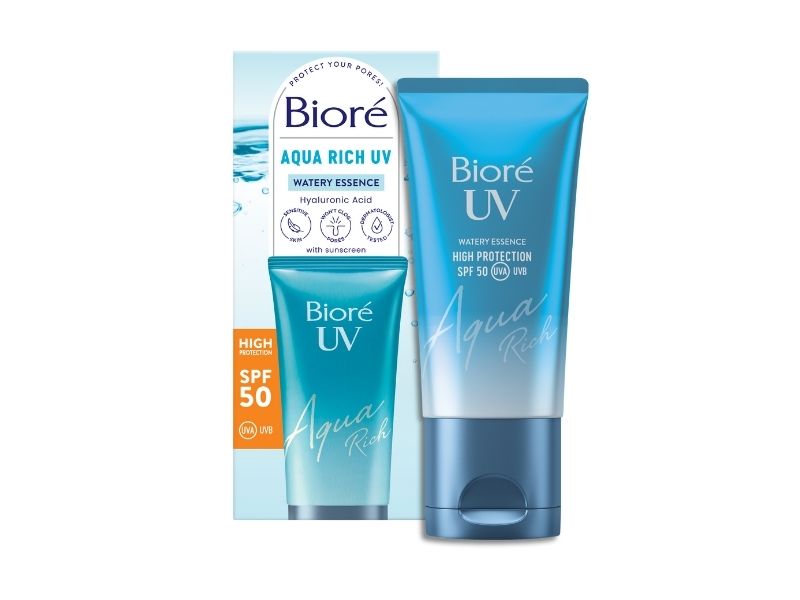
Biore UV Aqua Rich Watery Essence
This is probably the single most famous Japanese sunscreen going, and for dry skin specifically, it’s a genuinely solid choice. The “watery essence” texture sinks in almost instantly and leaves a slightly dewy, hydrated finish rather than a matte one, which makes it feel considerably more comfortable on drier skin types than a lot of the more mattifying options out there. It’s not the most intensely hydrating sunscreen on this list, but as an everyday, easy option, it’s hard to beat, especially considering how widely available and affordable it is.
Anessa Perfect UV Sunscreen Skincare Milk
Anessa sits at a slightly higher price point, but for dry skin, it’s genuinely worth the money. The “milk” formula has a lovely, slightly richer texture than a lot of Japanese sunscreens, without ever tipping into feeling heavy or greasy. It layers beautifully under moisturiser or makeup and leaves skin feeling nourished rather than stripped, which is exactly what you want from a daily SPF if your skin tends to run dry.
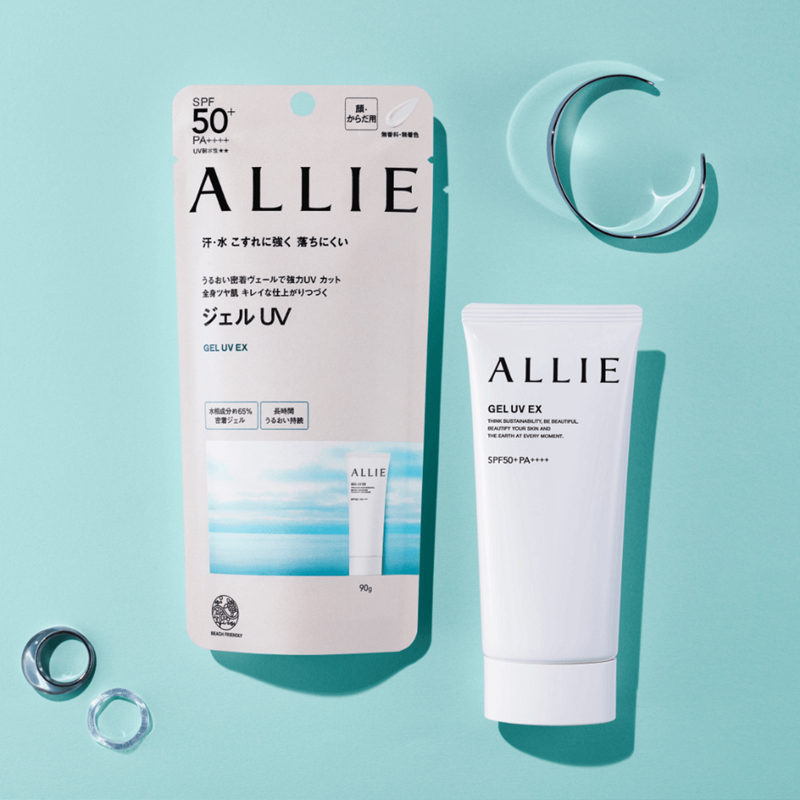
Allie Chrono Beauty Gel UV
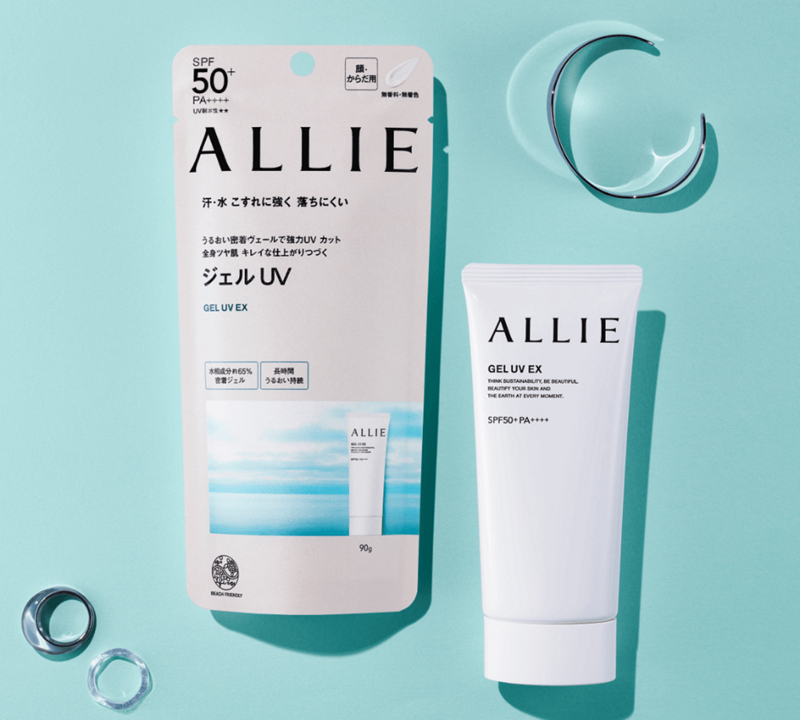
Allie’s gel formula sounds like it might be a strange choice for dry skin given “gel” often implies lightweight and slightly drying, but this one’s formulated with a focus on skincare benefits alongside sun protection, including ingredients aimed at hydration and glow. It’s got a lovely, slightly luminous finish that suits drier skin nicely, and it doesn’t pill or go patchy when layered over other products.
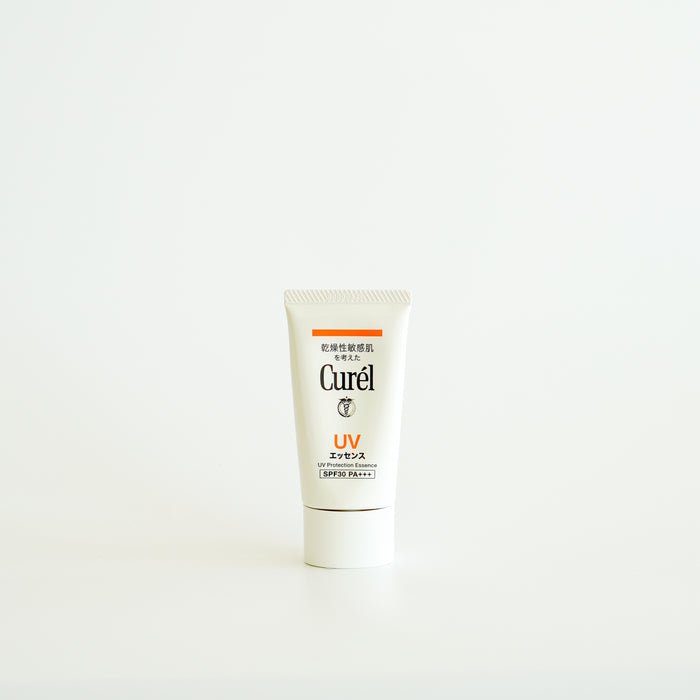
Curel UV Essence
Curel is a brand built specifically around sensitive, dry skin, so it’s no surprise their sunscreen leans gently hydrating rather than mattifying. This one’s fragrance-free, formulated with ceramides to support the skin barrier, and genuinely comfortable to wear even on skin that reacts badly to a lot of other sun protection. If you’ve got dry, sensitive skin that struggles with most SPFs, this is worth prioritising.
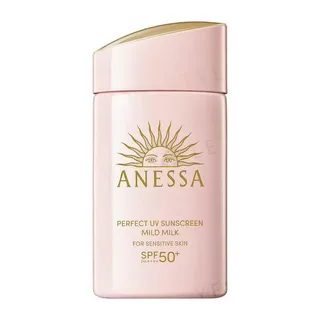
Shiseido Anessa Perfect UV Sunscreen Mild Milk
The “mild” version of Anessa is formulated for more sensitive or reactive skin, and it works beautifully for dry skin too, particularly if your dryness comes with a side of sensitivity or occasional flare-ups. It’s gentle, comfortable, and doesn’t sting or irritate the way some higher-SPF formulas can.
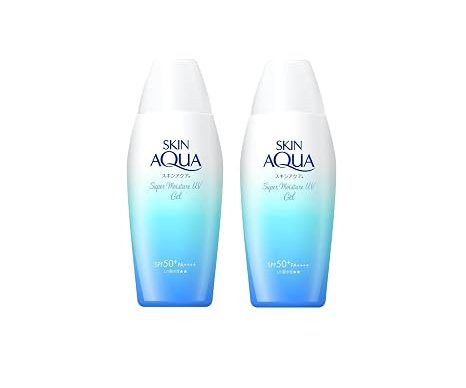
Skin Aqua UV Super Moisture Gel
Skin Aqua is a more budget-friendly Japanese sunscreen brand, and the Super Moisture Gel is exactly what it sounds like, a genuinely hydrating gel formula aimed squarely at drier skin. It’s a lovely, affordable entry point if you want to try Japanese sunscreen without committing to a higher price point straight away.
How to actually use a Japanese sunscreen if you have dry skin
A few practical notes worth mentioning here. Most Japanese sunscreens are designed to be applied as one of the final steps of your skincare routine, after your serums and moisturiser rather than instead of them, so don’t expect a sunscreen alone to fully hydrate dry skin, it’s meant to sit on top of an already-hydrated base, not replace one. Layering is genuinely key here. If you find even the more hydrating options on this list still feel slightly drying by the afternoon, try applying a facial mist or a touch of extra moisturiser underneath before you apply SPF, rather than assuming the sunscreen itself has failed you.
It’s also worth remembering that a lot of Japanese sunscreens use chemical rather than mineral UV filters, which tend to feel lighter and less drying on the skin than a lot of mineral sunscreens, which can sometimes leave a slightly chalky, dehydrating finish behind. If you’ve previously found mineral sunscreens uncomfortable on dry skin, a Japanese chemical sunscreen might genuinely feel like a revelation by comparison.
A final thought
Dry skin and sunscreen can feel like a genuinely frustrating combination sometimes, because so much SPF marketing is aimed at oily or combination skin, all matte finishes and oil control, leaving drier skin types feeling like an afterthought. Japanese sunscreens as a category are refreshingly good at avoiding that trap, but it’s still worth being a little selective rather than assuming every single celebrated formula will automatically suit your skin.
I’d also gently encourage patience if the first one you try isn’t quite right. Skin can be fickle, and what works brilliantly for someone else’s dry skin might not sit the same way on yours, particularly if your dryness comes with any underlying sensitivity or occasional flare-ups. Don’t be afraid to sample a few before committing to a full-size bottle, especially with the pricier options like Anessa, where a wasted purchase stings a bit more than it would with a more affordable option like Skin Aqua.
One last thing worth flagging: reapplication matters just as much as the initial formula you choose, arguably more so if you’re out and about for most of the day. A genuinely hydrating sunscreen applied once in the morning and never touched again isn’t going to do much for dry skin by mid-afternoon, so it’s worth keeping a small, portable version of whichever one you land on in your bag for top-ups, rather than assuming one generous morning application will see you through an entire day outdoors. It sounds like a small, obvious point, but it’s the bit most people skip, and it makes a genuinely noticeable difference to how comfortable your skin feels by the time you get home.